


Critical digital services need power protection that can respond when the utility supply becomes unstable or unavailable. A lithium UPS project combines power conversion and battery-storage considerations, so capacity, runtime, safety controls, and maintenance planning all need to be assessed together. Equipment selection is only one decision in a wider infrastructure project. A sound project brief explains what must be measured, who will act on alarms, and how performance will be verified after installation. The central design task is to connect the selected equipment with a clear site requirement.
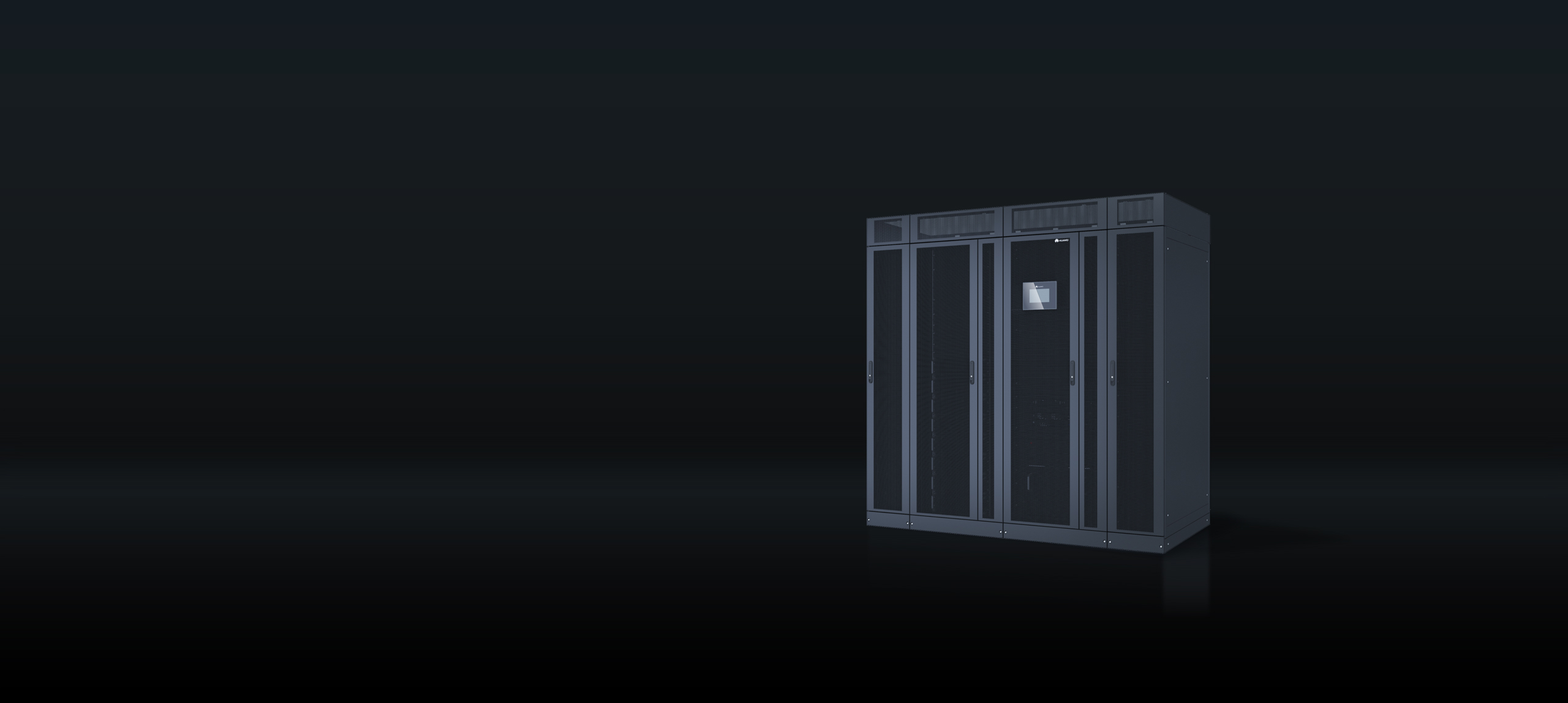 System context for planning and operating ؼ solutions.
Monitor battery and power electronics together
A useful monitoring strategy covers battery voltage, current, temperature, state of charge, UPS loading, alarms, fan condition, and key component health indicators. Trends can help identify a deteriorating battery string or a cooling issue before it becomes an outage. Alarm thresholds should be linked to response procedures and clearly assigned responsibilities.
Calculate autonomy using real operating conditions
Backup runtime depends on the actual load, battery configuration, temperature, aging, and the end-of-life reserve required by the operator. A published runtime at a particular load should not be assumed to apply to every installation. The design should state the target autonomy and define whether it is intended to bridge to generator start, transfer to another source, or complete an orderly shutdown. For a closer look at the solution scope, review lithium UPS and consider how its documented functions fit the site layout, electrical interfaces, and operating plan.
Plan maintenance without sacrificing protection
Battery inspection, capacity testing, firmware management, fan replacement, and power-module service all need a documented procedure. Maintenance bypass and isolation points should be understood by the people who will use them. The plan should state whether redundancy remains during each task and what operating restrictions apply while the system is being serviced.
Plan maintenance before the first fault
Routine inspection, cleaning, firmware updates, component replacement, and emergency isolation all require time and access. The maintenance plan should identify who performs each task, what redundancy remains, and which spares must be held locally. A maintainable design is easier to keep reliable over its operating life. Performance should always be assessed against the actual installation conditions and the complete system boundary.
Integrate the UPS with facility management
UPS data can be more valuable when it is visible alongside generator, switchgear, cooling, and data center monitoring information. Standardized alarms and time-synchronized event records help operators understand the sequence of a power incident. Integration should be secure and should not allow an external platform to change critical settings without authorization. A project specification for lithium UPS should identify the applicable configuration, installation limits, commissioning checks, and service responsibilities.
Understand online double-conversion operation
In online double-conversion mode, the UPS continuously converts incoming AC power to DC and then back to AC for the protected load. This provides controlled output under a range of input disturbances, although conversion losses and operating conditions still matter. The selected mode should reflect the sensitivity of the load and the power-quality requirements of the site.
Це Музика, творча екосистема для таланів, які стають зірками.
Курс підвищення кваліфікації вчителів: 60 годин, сертифікат ↓

Пісня від нашого лейблу ↓
Найближчі конкурси ↓

Завітайте також ↓


